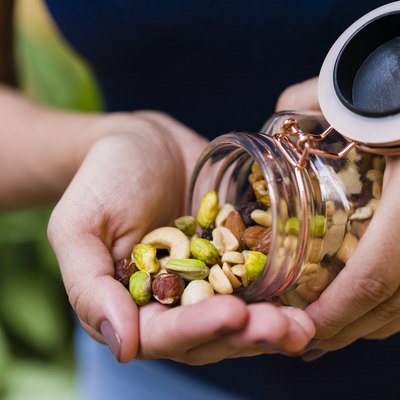
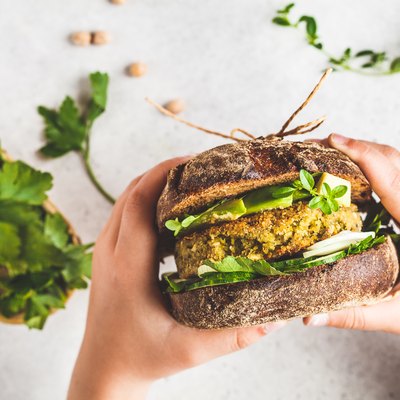
两种不同形式的纤维是可溶性的和不可溶性的。根据MedlinePlus的研究,每种食物在消化和疾病预防中都扮演着重要的角色。不溶于水的纤维在消化过程中会迅速通过消化道并使粪便膨胀,与此不同的是,可溶性纤维在消化过程中会吸水形成凝胶,从而减缓消化过程。吃全谷物、种子、坚果、新鲜水果和蔬菜可以为你的饮食提供充足的可溶性纤维,从而获得多种好处。
降低胆固醇
根据Mary Grosvenor和Lori Smolin在《营养可视化:日常选择》一书中所说,可溶性纤维含量低的饮食会导致膳食中的胆固醇和胆汁重新被肝脏吸收并再利用。Alternately, a diet rich in soluble fiber binds cholesterol and bile acids for excretion rather than absorption, resulting in an overall lower body cholesterol. When cholesterol persistently absorbs it can cause non-alcoholic fatty liver disease, arterial hardening, heart attack, coronary disease and stroke, the authors note.
控制血糖
Charlette Gallagher和John Allred在他们的书《消除对进食的恐惧》中说,糖尿病患者可以从食用高可溶性纤维的食物中受益,因为它有助于减缓胃的排空,防止血糖水平的瞬间飙升。Obese type 2 diabetics can particularly benefit from this type of fiber, as it can help you feel fuller longer for lower caloric intake and promote weight loss for better control of blood sugar. Nonetheless, if you're a diabetic, you should not self-prescribe a high-fiber diet. Instead, speak with your physician to avoid any complications.
消化救援
Nicolette Dumke在《特殊饮食的简易面包制作》一书中说,可溶性纤维还可以帮助缓解炎症性肠病、腹泻和便秘。Although those with inflammatory bowel disease may need to regulate fiber consumption, if you suffer from irritable bowel syndrome, hemorrhoids, constipation or diarrhea, soluble fiber can act as a regulator. For example, if you have diarrhea the gel formation of soluble fiber helps to add bulk to avoid watery stool, while acting more on its liquid nature to relieve hardened and difficult bowel movements. The author also notes that soluble fiber ferments in the colon, increasing the flora of beneficial bacteria in the colon.