A third of all U.S. adults are obese, with a BMI or 30 or higher. Of that third, 35.5 percent are women. Diet programs are plentiful: diet books, diet centers, diets online. Dieting is big business, but the simple truth is, healthy weight loss is a matter of calories in vs. calories out, with some exercise thrown into the mix.
1,200卡路里的饮食
为了营养的缘故,卡路里妇女的下限应该在一天中消耗1,200。根据哈佛健康出版物“Health Bate”的数据,您应该在此金额下,您应该在医生的监督下。安全减肥率为1至2磅。每个星期。取决于你的体重,这可能意味着吃超过1,200卡路里。例如,如果您的高度高达5英寸,重量为200磅,您的卡路里摄入量丢失2磅。一周应该是大约1,280。但如果你的身高相同,重量达到50磅,那么你的卡路里摄入量相同的减肥将是约1,580。
Calculating Your Calories
You will find numerous calorie calculators in books or online. But it is easy to calculate what your calorie intake should be. A moderately active person burns about 15 calories per pound per day. If you multiply your weight by 15, you have the approximate number of calories needed to maintain your current weight. If you are slightly active, multiply your weight by 13 calories per pound, and if you are sedentary, multiply by 10 calories per pound. Every pound of fat is worth 3,000 calories, so to lose 1 to 2 lbs. per week, decrease daily calorie intake by 500 to 1,000 calories. Subtract that amount from your maintenance calories, and you will find the daily calorie intake you need for safe weight loss.
What to Eat
Healthy eating includes fruits and vegetables, whole grains and healthy fats. Being on a diet is no reason to change that; you simply need to eat less. You can divide your 1,200 calories into three 400-calorie meals, or have a light 200-calorie breakfast or lunch and allow yourself 500 calories each for the other two meals. Some find "grazing" throughout the day is easier for them. For meals, make half your plate fruits and vegetables, with a quarter-plate of grains -- half your daily grains should be whole grains -- and a quarter-plate of protein. Dairy should also be part of your daily diet. Foods high in fiber will help you feel full longer.
钙和维生素D.
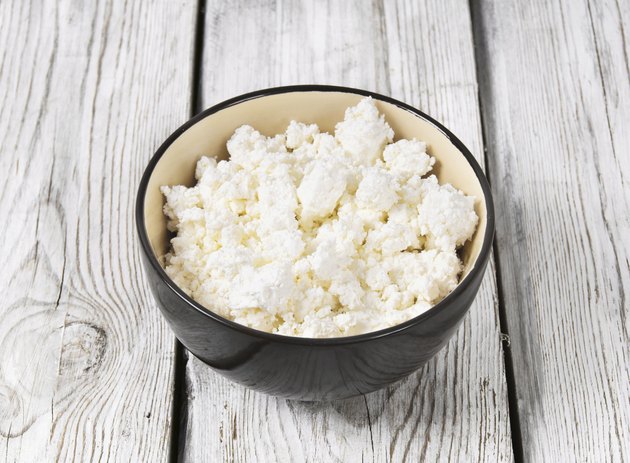
Women have special dietary considerations, the need for calcium and vitamin D being one of them. Dieting does not make it easy to get the recommended amounts of these. Eat low-calorie foods high in calcium, such as low-fat yogurt, cottage cheese and broccoli. Ask your doctor if you need a calcium supplement. Vitamin D helps your body absorb calcium. It is usually lower in obese people, but a study published by the "American Journal of Clinical Nutrition" in May 2011 found that older obese women who lost at least 15 percent of their body weight had a significant boost in vitamin D. Researchers are exploring whether vitamin D affects chronic diseases associated with obesity, such as cancer and diabetes.